|
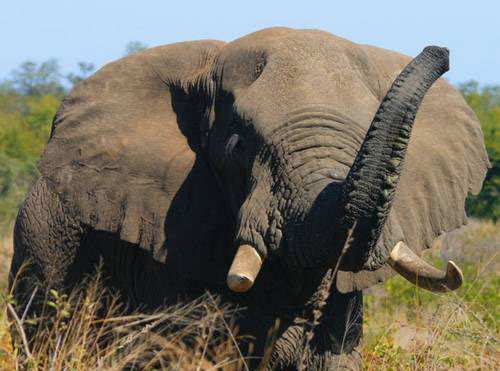
Despite their friendly and approachable image thanks to zoo feeding times, these herbivores kill an alarming amount of people every year. Elephants are unpredictable creatures, and have been known to kill zookeepers who have been with them for as long as 15 years. It is recorded that even the tamest of elephants can attack without warning, though it is thought that most elephants do not realise the harm they do with almost no effort.
Responsible for: An estimated 300-500 fatalities a year.
Hangs out in: Africa and India.
Method of dispatch: Considering their huge size – the average elephant weighs over 6 tons – they trample and gore using their fearsome tusks and are capable of causing untold amounts of devastation.
Useful avoidance techniques: General advice on avoiding an elephant attack seems to be: don’t startle the beast; he is more likely to charge if he feels intimidated. If the elephant seems intent on charging, make as much noise as you can and try to put it off – otherwise scale the nearest tree (large enough so that the elephant cannot knock it down, of course).
[/color][/size]
 The hippopotamus
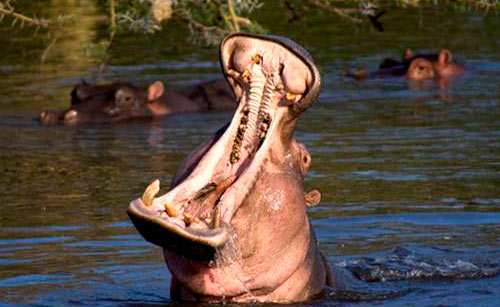
At first glance, these wallowing river-horses appear to be bulky, lazy beasts and not the fearsome predators you would expect to have a habit of mauling humans. However, with gaping mouths that can open four feet wide and swinging sledgehammer heads, as well as the fact that they can outrun us on land, these highly aggressive animals have plenty of scope for destruction and are considered one of the most dangerous of African animals.
The hippopotamus
At first glance, these wallowing river-horses appear to be bulky, lazy beasts and not the fearsome predators you would expect to have a habit of mauling humans. However, with gaping mouths that can open four feet wide and swinging sledgehammer heads, as well as the fact that they can outrun us on land, these highly aggressive animals have plenty of scope for destruction and are considered one of the most dangerous of African animals.
Responsible for: An estimated 100-150 fatalities a year.
Hangs out in: Lakes, rivers, wallows – in fact any water – in Africa.
Method of dispatch: Hippos will charge, trample and gore victims with alarming ferocity, often when they are blocked from deep water or someone is standing between the hippo and their calf. They have also been known to upturn boats and canoes without provocation and feast on the victim within, despite being herbivores.
Useful avoidance techniques: Surprising hippos is a big no-no. If canoeing in hippo waters, rap on the side of the boat with your paddle to warn any wallowing occupants that you are close by, therefore giving them a chance to move to deeper waters. If you surprise them on land where they feel most vulnerable, do not block their escape route to water.
 Jellyfish
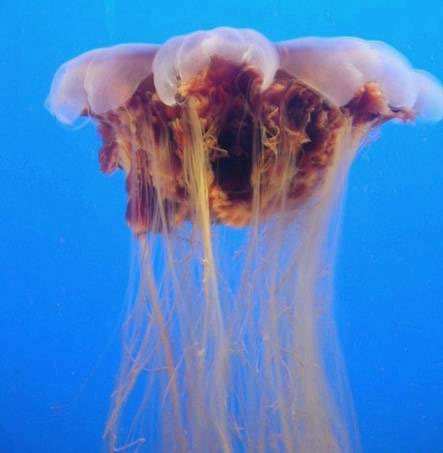
The sting-masters of the sea, Jellyfish are usually passive drifters who use their tentacles to dredge up small prey. However, anyone who becomes entangled with a jellyfish will experience degrees of pain from a nasty nip to excruciating pain, depending on the species. The box jellyfish is one of the most venomous marine creatures in the world; a sting can kill a man within minutes and most fatalities occur following a brush with a toxic jelly like this.
Jellyfish
The sting-masters of the sea, Jellyfish are usually passive drifters who use their tentacles to dredge up small prey. However, anyone who becomes entangled with a jellyfish will experience degrees of pain from a nasty nip to excruciating pain, depending on the species. The box jellyfish is one of the most venomous marine creatures in the world; a sting can kill a man within minutes and most fatalities occur following a brush with a toxic jelly like this.
Responsible for: An estimated 100 fatalities a year.
Hangs out in: Northern Australia, Papua New Guinea, Malaysia, Indonesia, the Philippines, Thailand and Vietnam.
Method of dispatch: The jellyfish unwinds its coiled stinging tentacles, fires them at the victim and then pumps their venom to paralyse the unfortunate recipient, usually manifesting itself as cardiac arrest in humans.
Useful avoidance techniques: If swimming in an area where there are known jellyfish, wear a sting-suit. However, if you are stung, get out of the water pronto and apply vinegar to any stings remaining embedded in the flesh to remove the venom, then brush or lift off using a credit card, stick or similar.
 [bThe shark[/b]
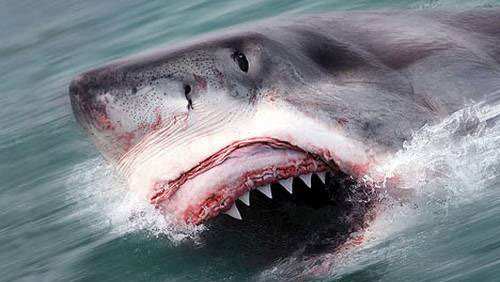
Sharks have a terrible reputation thanks to films such as Jaws and Deep Blue Sea, but it’s one not entirely without cause. It seems that although great whites are often blamed for unprovoked attacks on humans, it is more likely to be down to those snappy bull sharks, who are very aggressive. Out of 360 species, only four are known killers: tiger, great white, oceanic whitetip and bull sharks. However, as we’ve seen with bears, although there are a high number of shark attacks, actual fatalities are fairly low.
[bThe shark[/b]
Sharks have a terrible reputation thanks to films such as Jaws and Deep Blue Sea, but it’s one not entirely without cause. It seems that although great whites are often blamed for unprovoked attacks on humans, it is more likely to be down to those snappy bull sharks, who are very aggressive. Out of 360 species, only four are known killers: tiger, great white, oceanic whitetip and bull sharks. However, as we’ve seen with bears, although there are a high number of shark attacks, actual fatalities are fairly low.
Responsible for: An estimated 100 fatalities a year.
Hangs out in: Florida, Australia, Hawaii and South Africa.
Method of dispatch: Sharks attack the only way they can – by lunging with fearsome teeth. Sharks can grip their prey easily in their powerful jaws and are capable of biting through almost anything.
Useful avoidance techniques: Don’t wear yellow or orange, as sharks have good eyesight and these colours in particular seem to irritate them. If you are cut, get out of the water as they will smell blood from miles away. Engage in your aquatic recreation in groups – sharks are more likely to attack solitary prey. If you are attacked, punch the shark on the nose and claw the eyes and gills as these are sensitive spots.
 The bear
[size=18][color=blue] Forget gentle Ben – when a bear rears on its hind legs you know you’re in trouble. Although bears have a fearsome reputation, you are statistically more likely to survive a bear attack than to perish, but that’s small consolation to those who are faced with a bristling bear. With five attacks in Canada in 2005 alone, it seems that they’re on the increase due to human destruction of, and encroachment on, bears’ natural habitat.
Responsible for: An estimated 5-10 fatalities a year.
Hangs out in: North America, Canada, North Pole, Russia and isolated pockets around the world.
Method of dispatch: There are many different sub-species of bear and not all of them are vicious. However, the polar, black and grizzly varieties are deadliest. Bears will trample, maul and generally savage their prey until they’re frightened off or finish the job; and will attack for a variety of reasons, hunger being one. You should always keep food well away from your camp.
Useful avoidance techniques: If you are faced with an angry bear (categorised by snorting, false bluffs, ground beating, etc), slowly back away from the bear, watching it all the while. DO NOT turn and run. If it continues to act aggressively, you should respond in kind by shouting and throwing sticks and stones while continuing to back away. If a bear is upon you, fight back as you will stand a better chance of survival than if you play dead.


|